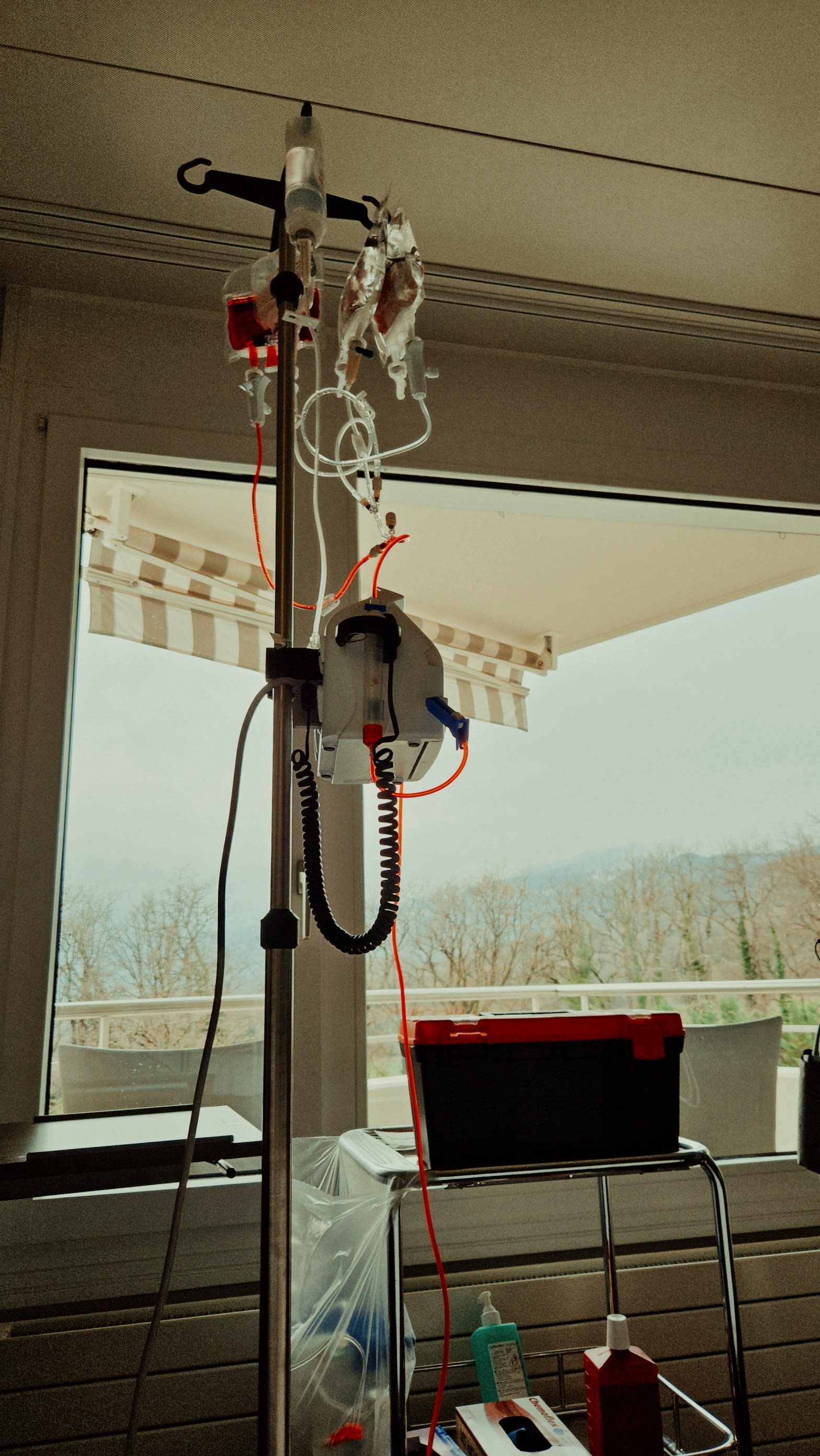
I thought the hardest part would be finding out that the cancer had come back.
I was wrong.
The hardest part was realizing that everything was going to start all over again.
The appointments.
The blood tests.
The waiting rooms.
The doctors speaking in that calm voice you eventually learn to recognize.
The medical words you slowly begin to understand, even though you never wanted to learn them in the first place.
And that strange feeling of watching your own life turn into a treatment protocol.
My body had barely had time to fall silent after the second surgery before they were already talking about what came next.
This time, there would be chemotherapy.
I knew what that word meant.
Everyone does, in a way.
You think of hair falling out. Nausea. Exhaustion. IV drips. Pale faces you have seen in movies.
But knowing a word and understanding what it is going to do to your life are two completely different things.
Chemotherapy was about to begin.
And I wasn’t ready.
And yet, there was a truth I wasn’t really telling anyone.
I was afraid of chemotherapy.
But part of me was waiting for it too, for a much darker reason.
I hoped it would be strong.
Strong enough to completely exhaust me.
Strong enough that eventually, my body simply wouldn’t be able to keep going.
I knew exactly how contradictory that thought was: they were about to give me a treatment in the hope of saving my life, while somewhere in the silence of my own mind, I sometimes hoped it would do the opposite.
I hadn’t decided to stop treatment.
I kept showing up to my appointments.
I let the doctors do everything they needed to do to treat me.
But deep inside me, something had already become far less certain.
I wasn’t sure anymore whether I wanted to be saved.
Maybe that was the hardest part to explain.
I wanted to live.
And sometimes, I wanted to die.
Both could exist within the same day.
Sometimes within the same hour.
One reassuring result could make me breathe a little easier, and then one night that lasted too long could leave me wondering what the point of continuing was.
I think part of me simply wanted to no longer have to choose.
I wanted my body to choose for me.
If chemotherapy saved me, then maybe I would keep going.
And if my body couldn’t take it anymore…
at least I wouldn’t have been the one who decided.
—
People talk a lot about fighting cancer.
You have to fight.
You’re strong.
You can do this.
Don’t give up.
They were words spoken with love. I knew that.
But sometimes, I wanted to ask:
What if I’m tired of fighting?
No one asks a sick person whether they want to be brave.
You become brave because somehow, you have to keep moving.
I hadn’t chosen this war.
I hadn’t chosen my opponent.
I hadn’t even chosen the battlefield.
It was my own body.
And still, I had to start over.
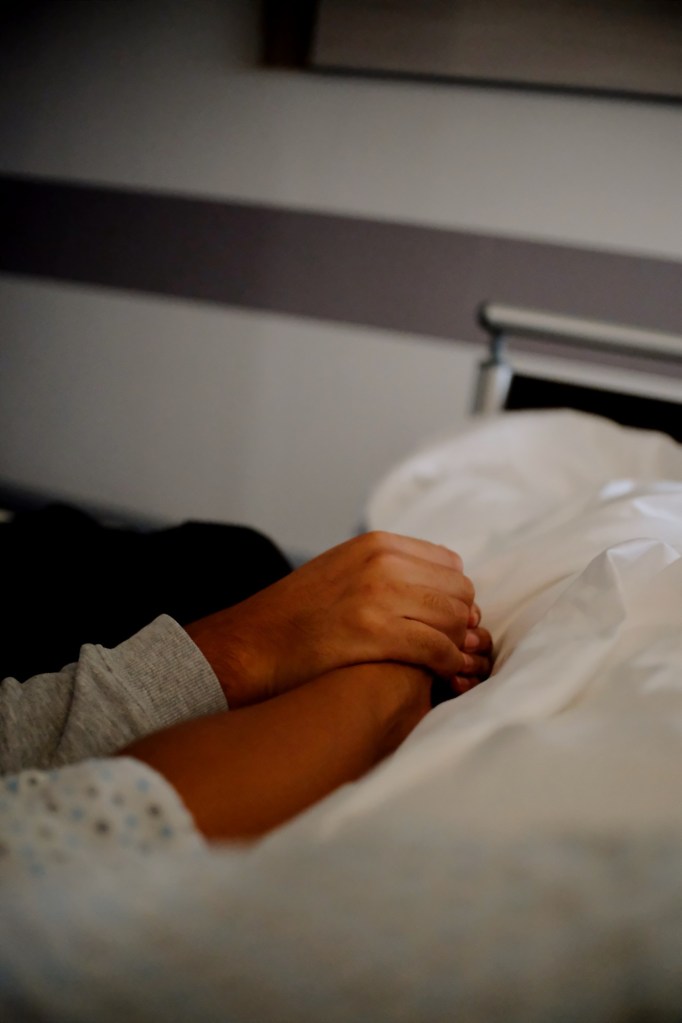
On November 26, 2024, I received my first chemotherapy treatment.
EC.
Two letters.
Two tiny letters for something that was about to take up so much space in my life.
Jean-Louis was with me.
He would be there for each of the four EC sessions.
At first, I didn’t know exactly how my body was going to react.
Then came the exhaustion.
Not simply feeling sleepy.
An exhaustion that seemed to take possession of my entire body.
The nausea.
The vomiting.
The moments when eating even a few bites became an ordeal.
Jean-Louis saw what the treatments were doing to me.
So he came.
He waited.
He drove me home.
When I was vomiting, he was there.
When I couldn’t eat, he tried to find something my body might accept.
When I no longer had the energy to do much of anything, he was still there.
Sometimes there was nothing he could fix.
But he stayed.
And back then, staying already meant so much.
And yet, his presence made that strange balance tip in both directions.
Because when he was beside me, part of me wanted to hold on.
For him.
For us.
So that one day, I could thank him in some way other than between treatments.
So that we could have our ordinary life back.
So that one day he wouldn’t have to check whether I had eaten, take me to another session, or see me exhausted on the sofa.
I wanted to survive so that I could somehow give back a little of everything he was giving me.
But the more he took care of me, the more another thought quietly began to grow.
I’m becoming a burden.
I watched him rearrange his days.
Come with me.
Wait.
Drive me around.
Watch me throw up.
Try to get me to eat.
Carry me through my worst days without knowing when they would end.
And I wondered how long someone could do all of that before they became exhausted too.
So, in my mind, the same person became both a reason to stay and a reason to want to disappear.
I wanted to live because he was there.
And sometimes, I thought dying would free him from everything he had to carry because of me.
The logic was cruel.
But at the time, it almost made sense to me.
Maybe that is one of the most vicious things darkness can do.
It can take the love we receive and somehow convince us that the people who love us would be better off if they no longer had to give it.
—
After my second EC treatment, my hair started falling out.
I was at some friends’ place when I noticed.
At first, just a few strands.
Then I ran my hand through my hair.
And they came away.
I stared at them in my palm, not really knowing what I was supposed to feel.
I did it again.
More.
And more hair.
My friends tried to reassure me.
It’s okay.
I knew what they meant.
It was “just” hair.
It would grow back.
It wasn’t what would determine whether I lived or died.
But that day, what I was staring at in the palm of my hand wasn’t just hair.
It was the disease becoming visible.
Until then, I could still walk into a room without people necessarily knowing.
The exhaustion wasn’t always visible.
Neither was the nausea.
And fear was even easier to hide.
But falling hair tells a story before you even open your mouth.
Cancer was beginning to speak for me.
—
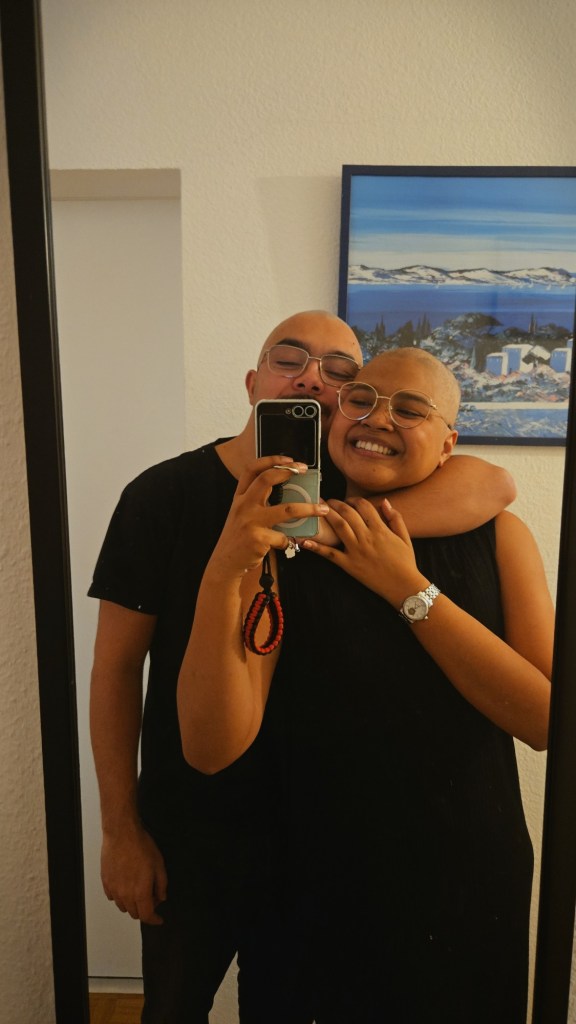
And then Jean-Louis did something I have never forgotten.
Before I even shaved mine, he shaved his head.
First.
He could have simply told me it was okay.
That I was still beautiful.
That hair grows back.
Instead, he chose to do something.
A tiny gesture compared with everything that was happening to us.
And yet, enormous to me.
He couldn’t take the chemotherapy for me.
He couldn’t stop my hair from falling out.
He couldn’t remove the cancer from my body.
So he found something he could share with me.
When my turn came, I wasn’t quite as alone in front of that mirror.
After that, I had to learn.
As though the disease had handed me a new instruction manual for myself.
How to put on a wig.
How to adjust it.
How to position it naturally enough that I wouldn’t feel as though everyone was looking at nothing but that.
I learned about headscarves.
Scarves.
All the different ways of tying them.
I learned what I liked.
What still felt a little like me.
What allowed me to leave the house without feeling as though I had the word cancer written across my forehead.
Some days, the wig helped.
It allowed me to find something familiar in the mirror.
Other days, it only reminded me why I needed it.
Everything had become like that.
Double-edged.
Even love.
—
Treatment began to dictate the rhythm of time.
There weren’t really Mondays, Tuesdays, or weekends anymore.
There were chemotherapy days.
The days after.
The days when I felt a little better.
And the days when I already had to start thinking about the next one.
My calendar no longer told the story of my life.
It told the story of my treatment.
And somewhere between appointments, I was still trying to exist.
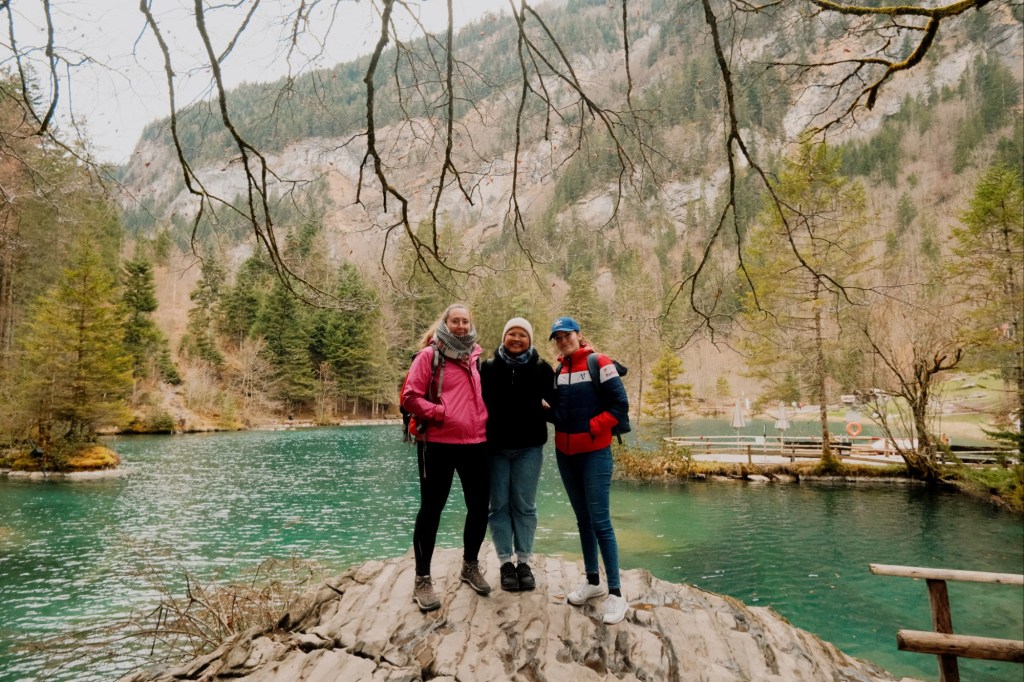
Not as a patient.
As myself.
I still wanted to laugh.
To talk about something else.
To take photographs.
To listen to music.
To have completely pointless conversations.
To complain about ordinary things.
Because there was something incredibly precious about being able to complain about a problem that had absolutely nothing to do with cancer.
For a few minutes, I was simply a twenty-seven-year-old woman.
Not a diagnosis.
Not a medical file.
Not a patient.
Arjelynne.
—
But my body knew.
It knew what was being done to it.
And gradually, it began to show me.
The exhaustion.
The pain.
The changes.
That feeling that every treatment took something with it.
I watched my body change with a strange sense of distance.
Almost as though I were observing it from the outside.
And yet, it was the body I had lived in my entire life.
The one I had sometimes loved.
Often criticized.
Rarely thanked.
And now I was asking it to endure even more.
It is strange how you can spend years criticizing so many things about your body…
and then find yourself begging that same body to hold on.
What made it even stranger was that some days, I genuinely begged it to keep going.
And on others, in the privacy of my own thoughts, I almost hoped it would stop.
Both truths existed at the same time.
I wanted to survive.
I wanted everything to stop.
I could be afraid of dying in the morning and exhausted by being alive that same evening.
And Jean-Louis stood somewhere in the middle of that contradiction.
His presence reminded me that there was still something waiting for me beyond treatment.
Our ordinary life.
Our apartment.
Our routines.
Our plans.
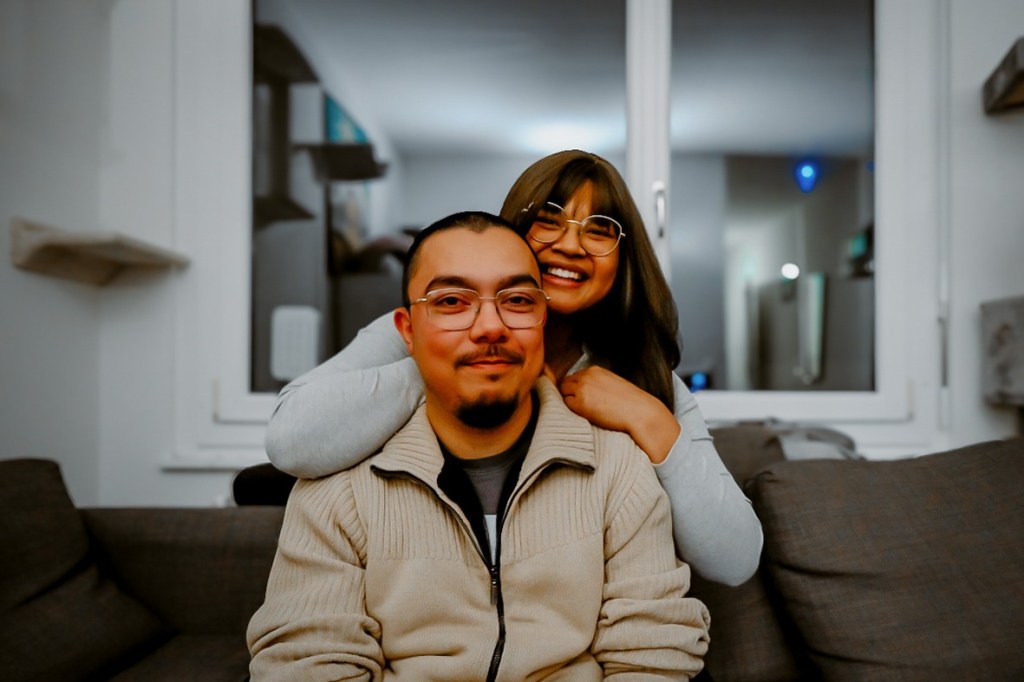
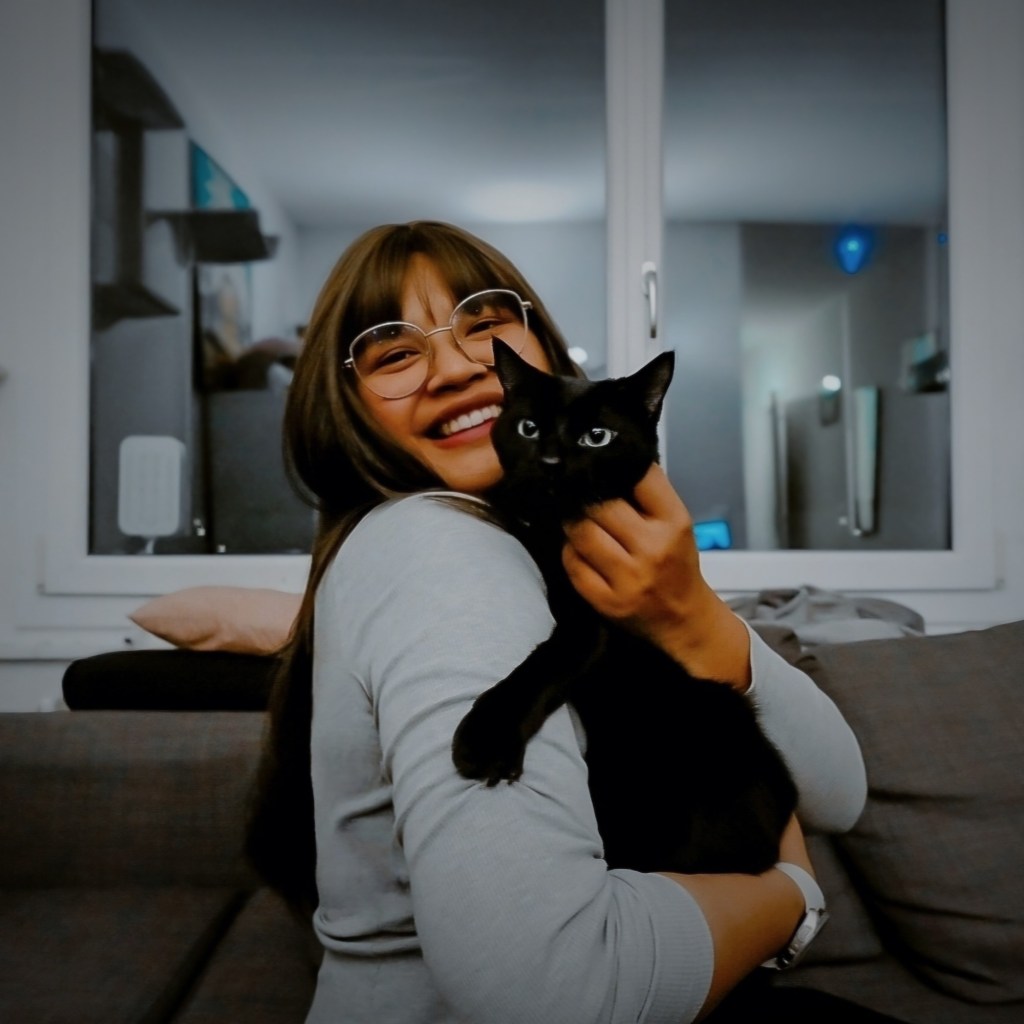
A life in which, perhaps, I wouldn’t always be sick.
But every time he had to help me up, wait for me, drive me somewhere, make sure I was eating, or stay beside me while I was vomiting, that other voice returned.
Look at everything he has to do because of you.
So I wanted to get better so I could give back everything he was giving me.
And sometimes, I wanted to disappear so that he would no longer have to give me anything at all.
Contradictory.
Exhausting.
But true.
—
I kept showing up.
Again.
And then again.
Four cycles of EC.
The last one was on January 7, 2025.
But it wasn’t over.
Of course it wasn’t.
On January 21, another stage began.
Twelve weeks of Taxol.
Twelve.
By then, numbers had started to lose their meaning.
One session.
Four sessions.
Twelve sessions.
You count a lot when you are sick.
The days.
The doses.
The pills.
The appointments.
The results.
The blood counts.
The weeks remaining.
As though putting numbers on things might give us the illusion of taking back a little control.
I counted too.
Because one treatment completed meant one less treatment left to endure.
I didn’t think about the months ahead.
Even less about the years.
Sometimes I reduced my entire life to the distance between me and my next appointment.
Just this session.
Then you can rest.
Just this week.
Maybe after that it will be easier.
Just a little longer.
Always just a little longer.
Because looking at the whole mountain might have been too much.
So I looked only at the next step.
I wasn’t moving forward because I was particularly brave.
I wasn’t moving forward because I believed everything would turn out all right.
I wasn’t even always moving forward because I wanted to live.
Sometimes I kept going simply because the next appointment was already written in my calendar.
Because Jean-Louis was waiting for me.
Because the doctors were waiting for me.
Because my body was still here.
Because somewhere in the middle of all those contradictory thoughts, some part of me kept showing up anyway.
I didn’t know whether it was strength.
Habit.
Fear.
Love.
Or simply instinct.
Maybe it was a little of everything.
I was caught between a disease that could take my life,
treatments trying to save it,
a man doing everything he could to help me hold on to it,
and me,
somewhere in the middle,
no longer quite sure which way I wanted the balance to tip.
So I didn’t look any further ahead.
I only had to make it to the next appointment.
And sometimes, surviving looked like nothing more than this:
showing up.
Again.
And again.
And again.

 Did I survive